
Mastering Ground Fighting: The Fundamentals of Jiu Jitsu

Ground fighting is a critical aspect of martial arts that emphasizes control, technique, and leverage over brute strength. Among the various disciplines, Brazilian Jiu Jitsu stands out for its effectiveness in self-defense and competitive sports. This post will guide you through the essential principles and techniques that form the foundation of mastering ground fighting through Jiu Jitsu fundamentals.
Understanding the Basics of Jiu Jitsu Fundamentals
Before diving into complex moves, it is important to grasp the core concepts that underpin Jiu Jitsu. The art focuses on using leverage and technique to control an opponent, especially when on the ground. This makes it accessible to practitioners of all sizes and strengths.
Key elements include:
Positioning: Learning how to maintain dominant positions such as mount, side control, and guard.
Control: Using grips and body weight to immobilize or limit the opponent’s movement.
Transitions: Moving smoothly between positions to improve control or set up submissions.
Submissions: Techniques that force an opponent to submit, such as joint locks and chokes.
For example, mastering the guard position allows you to defend against attacks while setting up sweeps or submissions. Practicing these fundamentals regularly builds a strong foundation for more advanced techniques.
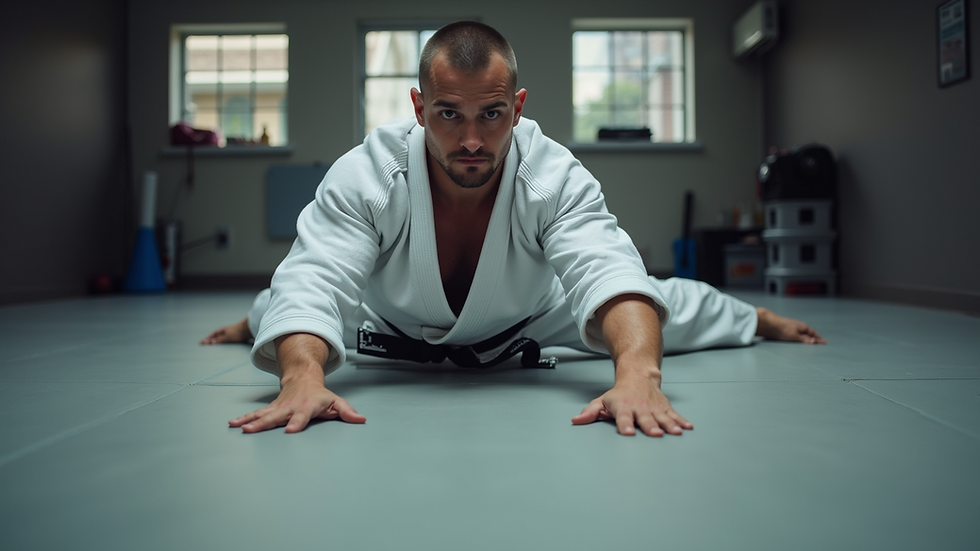
Essential Techniques to Build a Strong Foundation
To effectively master ground fighting, focus on these fundamental techniques:
Hip Escape (Shrimping)
This movement creates space between you and your opponent, essential for escaping bad positions.
Bridge (Upa Escape)
A powerful movement used to disrupt an opponent’s balance and create opportunities to escape.
Closed Guard Control
Keeping your legs locked around the opponent’s waist to control their posture and limit their attacks.
Mount Position Control
Sitting on top of your opponent’s chest, controlling their upper body, and preparing for submissions.
Basic Submissions
Learning the armbar, triangle choke, and rear-naked choke as primary submission techniques.
Practicing these techniques with a partner helps develop muscle memory and timing. Drilling them repeatedly will improve your ability to react instinctively during live sparring.

What is the difference between jujitsu and Jiu-Jitsu?
The terms "jujitsu" and "Jiu-Jitsu" are often used interchangeably but can refer to different styles or origins. Traditional jujitsu (or jujutsu) is a Japanese martial art focusing on self-defense techniques including strikes, throws, and joint locks. It is the historical root of many modern martial arts.
Brazilian Jiu-Jitsu, on the other hand, evolved from traditional jujitsu and judo, emphasizing ground fighting and submissions. It was adapted and refined in Brazil to focus on leverage and technique, making it highly effective in one-on-one combat situations.
Understanding this distinction helps practitioners appreciate the evolution of the art and the specific focus of Brazilian Jiu-Jitsu on ground control and submissions.

Practical Tips for Improving Your Ground Fighting Skills
Improvement in ground fighting requires consistent practice and smart training strategies. Here are some actionable recommendations:
Drill Fundamentals Daily: Spend time each session drilling basic movements like shrimping, bridging, and guard retention.
Focus on Position Before Submission: Prioritize controlling your opponent’s position before attempting submissions.
Train with Different Partners: This exposes you to various body types and styles, improving adaptability.
Watch Instructional Videos: Supplement your training with expert tutorials to understand nuances.
Stay Relaxed: Tension wastes energy and slows reaction time; practice breathing techniques to stay calm.
Ask for Feedback: Regularly seek advice from instructors or experienced practitioners to correct mistakes.
By integrating these tips into your routine, you will see steady progress in your ability to control and submit opponents on the ground.
The Role of Mindset in Mastering Ground Fighting
Success in ground fighting is not just physical but mental. Developing the right mindset can make a significant difference in your training and performance.
Patience: Progress takes time; avoid rushing techniques.
Resilience: Learn from losses and mistakes without frustration.
Focus: Concentrate on technique rather than strength.
Humility: Stay open to learning from everyone, regardless of rank.
Strategic Thinking: Anticipate your opponent’s moves and plan counters.
Cultivating these mental attributes will enhance your ability to stay composed under pressure and make smarter decisions during sparring or competition.
Mastering ground fighting through the fundamentals of Jiu Jitsu is a rewarding journey that combines physical skill with mental discipline. By focusing on core techniques, understanding the art’s origins, and adopting a growth mindset, you can develop effective control and submission skills that work in real-life situations. Keep training consistently, stay patient, and enjoy the process of becoming proficient in this dynamic martial art.


Comments